What Does Phoenix Commercial Roof Maintenance Include?
Phoenix commercial roofs endure some of the most extreme conditions nationwide. Sustained temperatures above 110°F, rooftop surfaces exceeding 160°F, intense UV radiation, and severe monsoon storms accelerate roof aging and stress. For Phoenix property owners, commercial roof maintenance is not optional; it is the most cost-effective way to protect your building, tenants, and financial interests.
This guide explains what a professional commercial roof maintenance program in Phoenix includes, why each component is important for Arizona’s climate, recommended service frequency, and key warning signs property managers should not overlook.
Why Phoenix Commercial Roof Maintenance Is Different
The three forces that drive early roof failure in Phoenix:
- Extreme UV exposure – Phoenix averages more than 300 days of sunshine per year, and prolonged ultraviolet radiation breaks down membrane materials, causes surface crazing, degrades sealants, and makes roofing components brittle and prone to cracking
- Thermal cycling – desert temperature swings between scorching daytime highs and cooler nights cause roofing membranes, flashings, and sealants to expand and contract repeatedly, stressing seams and penetration points over time
- Monsoon season – from June through September, sudden heavy rainfall, high winds, hail, and windborne debris test drainage systems, membrane integrity, and flashing seals in ways that can expose any deferred maintenance instantly
Key takeaway
Phoenix roofs don’t just age – they’re under attack year-round
What a Phoenix Commercial Roof Maintenance Program Includes
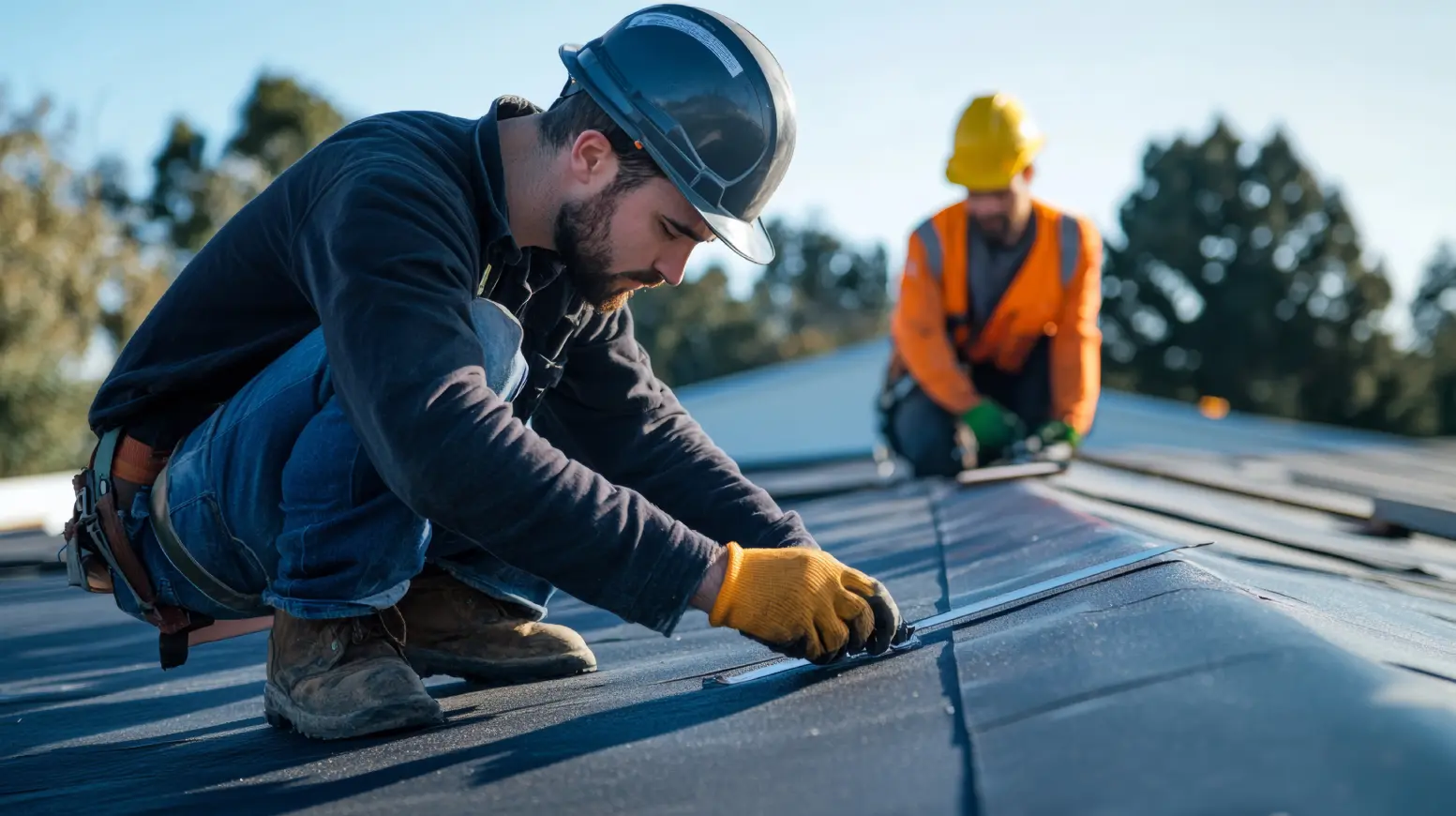
1. Professional Roof Inspection
- Membrane integrity – checking for cracks, punctures, blistering, surface crazing, granule loss, UV embrittlement, and open seams across the entire roof field
- Flashing and penetration seals – flashing failures at wall-to-roof transitions, pipe boots, HVAC curbs, vents, and skylights are the single most common source of commercial roof leaks; every penetration point receives close examination.
- Drainage systems – drains, gutters, and downspouts are inspected for blockages, damage, and proper pitch; standing water remaining more than 48 hours after rainfall signals a drainage failure that accelerates membrane deterioration.
- Seams and lap joints – heat-welded TPO seams, modified bitumen laps, and EPDM adhesive joints are inspected for separation, fish-mouthing, and loss of adhesion.
- Roof deck condition – soft or spongy areas underfoot indicate saturated insulation from an undetected leak; interior ceiling staining is cross-referenced with roof findings.
- Edge metal and coping caps – perimeter edge conditions are a common failure point in high-wind events; fasteners, sealant joints, and coping cap integrity are all verified.
Key takeaway
A real inspection covers every system — not just what’s visible
2. Debris Removal and Surface Cleaning
- Clogs drains and scuppers, causing ponding water that accelerates membrane breakdown.
- Retains moisture against the membrane surface, promoting biological growth and material degradation
- Adds unnecessary weight load on flat roof structures
Key takeaway
Desert debris is an active threat, not just an aesthetic problem
3. Drain and Scupper Clearing
- Clearing all roof drains, scuppers, and overflow drains of debris and sediment
- Inspecting drain bowls and drain flanges for cracking or separation from the membrane
- Verifying that downspouts and leaders discharge properly at grade
- Identifying and flagging any low-point areas where standing water consistently develops
Key takeaway
Blocked drains are Phoenix’s most common roof emergency — and the most preventable
4. Sealant and Flashing Repairs
- Remove and replace cracked, hardened, or separated caulking and sealant at all penetration points.
- Re-adhere lifted or open flashing laps and secure loose base flashings.
- Apply fresh sealant around HVAC equipment bases, conduit penetrations, skylights, and vents.
- Inspect and reseal any edge metal joints or coping cap seams showing signs of movement.
Key takeaway
Sealant is cheap. Interior water damage is not.
5. Minor Field Repairs
- Patching small punctures, blisters, or surface tears in TPO, EPDM, or modified bitumen membranes
- Reattaching lifted membrane edges or open seams before they allow water infiltration
- Applying protective coating touch-ups to worn areas of foam roofing systems
- Securing loose fasteners or displaced insulation at the roof perimeter
Key takeaway
Small repairs done now eliminate large repairs done in crisis
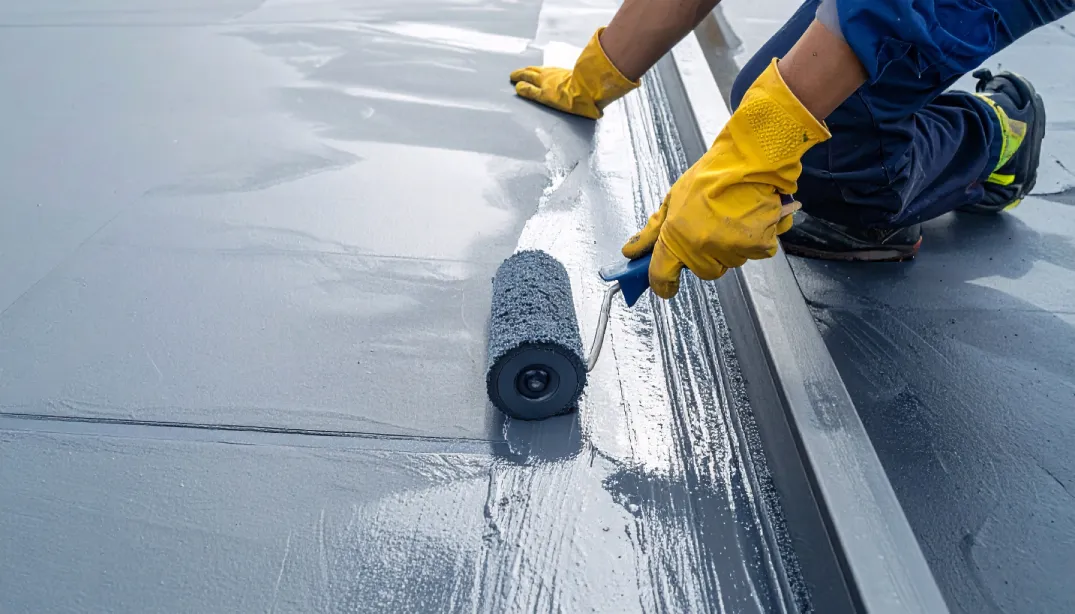 6. Roof Coating Assessment and Recoating
Key takeaway
Coating integrity is the lifespan of your foam or coated system
7. Condition Reporting and Documentation
- Photographs of all areas inspected, with notations on condition
- A summary of repairs completed during the visit
- Itemized list of recommended future repairs with priority ratings
- Warranty compliance documentation confirming that maintenance has been performed per manufacturer requirements
Key takeaway
Without documentation, you risk losing warranty coverage and protection.
How Often Should Phoenix Commercial Roofs Be Maintained?
Recommended Phoenix commercial roof maintenance schedule:
- Spring inspection (March to April) – assess winter weathering, verify drainage readiness before monsoon season, identify any UV or thermal damage from the previous summer, and perform coating evaluations before summer heat makes coating application impractical.
- Fall inspection (October to November) – assess monsoon damage, clear debris and sediment from drains, reseal any penetrations stressed by the season’s thermal cycling, and prepare the roof for winter overnight temperature drops.
- Post-monsoon inspection (September to October) – recommended after any significant storm event to identify windborne debris damage, membrane impacts, and drainage failures before they develop into interior leaks
- Immediate assessment after events – hailstorms, sustained high winds, or unusual rooftop incidents (such as equipment installation or HVAC service work) warrant prompt inspection regardless of schedule
Key takeaway
Twice a year is the minimum. Three times is the standard for Phoenix.
Signs Your Phoenix Commercial Roof Needs Immediate Attention
Between scheduled maintenance visits, property managers should watch for these warning signs that warrant a professional assessment before the next scheduled visit:
Water stains on interior ceilings or walls, particularly after rainfall.
Even a small water stain can indicate that water has already penetrated the membrane, traveled through insulation, and reached your interior structure. The visible stain is rarely directly below the leak source – water travels horizontally through insulation before dropping, making professional diagnosis essential.
Blistering, bubbling, or visible separation on the roof membrane surface.
These conditions indicate that moisture or gas is trapped beneath the membrane, compromising its bond to the substrate. Left unaddressed in Phoenix’s heat, blistered areas expand rapidly, weaken the surrounding membrane, and become entry points for monsoon-driven water intrusion.
Standing water is visible on the roof for more than 48 hours after rain.
Ponding water above one-quarter inch in depth accelerates membrane degradation and adds structural loading that flat roof systems are not designed to sustain indefinitely. In Phoenix, blocked drains are the most common cause, and monsoon storms can overwhelm a compromised drainage system in minutes.
Cracked, lifted, or separated flashing around HVAC units, vents, or wall transitions.
Flashing failures are the single most common source of active commercial roof leaks, particularly in Arizona, where thermal cycling stresses sealant joints year-round. Any visible gap or lifted edge at a wall, curb, or penetration is an open path for water during the next rain event.
Granule accumulation in drains or downspouts indicates accelerated membrane wear.
Granule loss on modified bitumen systems exposes the underlying asphalt to direct UV radiation, dramatically speeding oxidation and embrittlement. Heavy granule accumulation after a single season signals that the membrane surface is degrading faster than expected, and a professional condition assessment is overdue.
Any evidence of rooftop foot traffic that was not coordinated with the roofing contractor.
HVAC technicians, telecommunication crews, and other tradespeople frequently access commercial rooftops without understanding that walking on membranes can cause punctures, dislodge flashing, and crush foam roofing systems. A brief post-access inspection by your roofing contractor catches damage before it becomes a leak.
Unusual energy bill increases that may signal compromised insulation from moisture infiltration.
When water infiltrates a commercial roof assembly, it saturates the insulation layer – dramatically reducing its thermal resistance and forcing HVAC systems to work harder to maintain interior temperatures. In Phoenix’s climate, a sudden spike in cooling costs with no other explanation warrants a moisture scan or infrared inspection of the roof assembly.